
Sahel: Ukraine and Wagner have eclipsed security concerns.
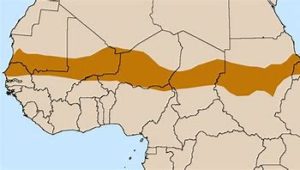
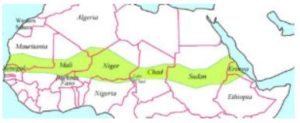
 Beyond domestic problems, largely at the roots of their internal insecurity – political, economic and social including, again and again, slavery – the G 5 Sahel countries face enormous internal challenges presented in the attached paper . And there are many more.
Major challenges that fragilize the foundation of post-Cold War international relations. The crisis or rather the war in Ukraine, challenges us to think of our populations and our countries future. Not for post-Cold War ideological speculations but to put in place policies for the protection and the survival of populations and of even the countries themselves.
Instead of remaining passive spectators in front of televisions, we should do better in establishing technical teams to follow the multiple consequences in particular commercial of an international war which is lasting.
Ahmedou Ould Abdallah
President Centre4s.org
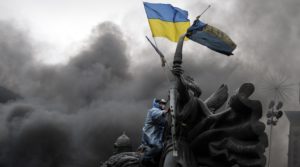
 The war raging in Ukrainia since February 24 is tragic in terms of its ensuing human losses and the massive material destruction that have already been done. It is particularly central due to the issues opposing the many states involved. World economic and military powers clashing in a Europe that, since 1940, has not known an armed conflict of this dimension! The last one, horrendous, that of the former Yugoslavia (today recomposed of several sovereign states), did not include either the same strategic stakes or the same global scope as the one currently taking place. It is certainly far from over yet and the assessment of its various human and economic costs, as well as its diplomatic and military impacts, will still take time.
 The announced visit on 20 December of president Macron to Bamako to meet Colonel Assimi Goita, Mali president, was an enormous surprise. Whatever the official reasons for its cancellation, it will no doubt mark a new cycle in the bilateral relations between Paris and the West Africa capitals. Issues that irritate Paris including the Wagner’s troupes are many and worse obsessive. There is no doubt that from the muddle surrounding Macron aborted visit, colonel Goita gets out as the winner. Undeniably, for the moment, he is reconfirmed even though the Sahel crisis, to the great frustration of its civilian population, is however far from being resolved.