
Sahel: growing uncertainties and insecurity
 ‘’Today what happens everywhere can be seen and heard everywhere’’.
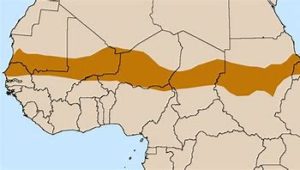
More widespread, more violent and now openly assumed as at its beginnings in 2012, terrorism in the Sahel continues unabated across the region. Inexorably transformed into an increasingly ethnic war, it is now anchored beyond the center of the Sahel, its earliest base. It is expanding and now enjoys easier access to the shores of the Red Sea and therefore safer supplies of military equipment and of its gold exports.
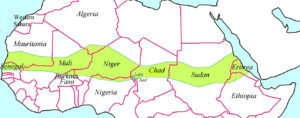 Here we are! To the international community, the Sahel is now providing large dividends resulting from a long lasting political indifference and a military neglect or passivity. For over a decade, most terrorism financing in the Sahel has been generated from or has transited through western and north west Sudan. That was carried out in a total silence if not irresponsibility or even complicity. Furthermore, most traffic and trafficking in migrants, combatants as well as in arms, were prosperous in Sudan western borders especially those with chaotic Libya and insecure Central Africa.
 For a decade, gold exploitation, legal or illegal and official or informal, has known a speedy expansion throughout the Sahel. Its actors are numerous and range from Canadian and Russian multinationals to small informal local operators. Financial incomes and especially jobs creations, even dangerous ones, are considerable for all: private companies, governments and small operators as well as their equipment suppliers often from Middle East.
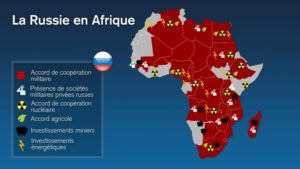 Terrorist attacks against Burkina Faso, Mali and Niger continue unabated. Over the last year, violence in the three countries has increased by 36% with 2 737 serious incidents. The first two countries now trust their cooperation with the Russian Federation to overcome the scourge. They granted mining concessions to Moscow as a part of payment for its military assistance. The rapprochement between Ouagadougou and Bamako suits the two juntas, but complicates the fight against terrorism in the sub-region, already undermined following the departure of Mali from the G5 Sahel. However, Niger continues its cooperation with France, in this difficult fight. The organization scheduled next week summit in Ndjamena, indeed for time being without Mali, should indeed be a good indicator of that organization future and its large possibilities.
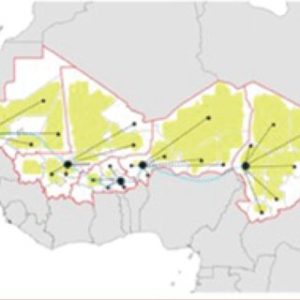 Just ten years after the rescue of Mali official government by the French military operation Serval, which became Barkhane a few months later, the security situation in that country remains structurally more fragile than in 2013. Beyond Mali, it is most seriously threatened throughout the Sahel to the edges of Lake Chad and the gulfs of Benin and Guinea. Why, despite the massive, both international and internal, human and material resources injected, does such security deterioration continue?