

As Protests in Algeria Continue, Where is the Country Headed?
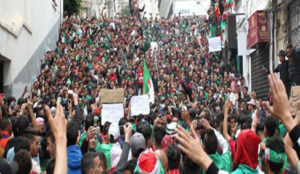 Every week since February there have been peaceful mass gatherings calling for change in Algeria. The population wishes to see their country live up to its historic reputation for liberty and independence from colonialism. While many have interpreted the protests as a continuation of the “Arab Spring,” Algeria is the only Arab country to have attempted a democratization experiment as far back as the 1990s. The current revolt, now in its ninth week, was thus in some sense predictable given Algeria’s history, while also unprecedented, hopeful, and complicated.
 Aspirations for peace tend to be depicted negatively, as the absence of conflict. In many societies, peace is experienced as the order that follows the end of war, often called negative peace. Seen through this prism, peace is rarely studied independently or measured directly without the long shadow of its ubiquitous companion, conflict. It also leaves little space for peace to be pursued as a national meta-policy—as in Costa Rica with its national vision for peace, or Ethiopia with its newly-established Ministry for Peace.
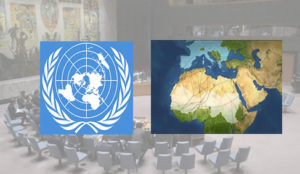 A Security Council delegation has arrived this weekend to the Sahel. It will visit Mali and Burkina Faso. In view of the long lasting Mali crisis and the worrying developments in Burkina Faso, that is the right focus. Then, what after?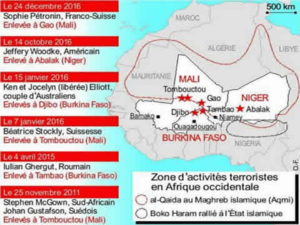
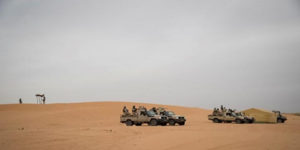 With its huge territory, the Sahel is presently a dense concentration of political, economic, environmental and demographic challenges. Their management, especially in the security field, requires setting priorities. Is the international community on that path?