

Sahel: sprawling cigarettes muggling
 Paul Amara, Consultant, Centre des stratégies pour la sécurité du Sahel Sahara, Centre4s.org
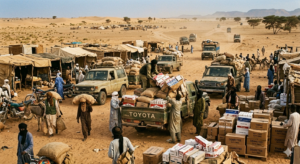
Cigarette smuggling generates billions of dollars annually worldwide, including in the Sahel. This complex trade originates in the Balkans and the United Arab Emirates, passes through North Africa, and ends in Libya, from where it streams into the Sahel. Libya is therefore considered the hub of cigarette smuggling in the Sahel. Widespread corruption, porous borders, and a lack of cooperation between countries fuel the growth of cigarette smuggling. The identifiable actors involved are also numerous. These include major countries, major brands, criminals, government officials, and terrorists who operate throughout the Sahel. The scale of the problem makes combating it a monumental task.

 Paul AMARA, Consultant, Center for Strategies for Security in the Sahel and Sahara, Centre4s.org
 Paul AMARA, Consultant Centre des stratégies pour la sécurité du Sahel Sahara, Centre 4s.org
 Paul Amara, Center for Sahel-Saharan Security Strategies, Centre4s.org