
Sahel – Ukraine and regional security.
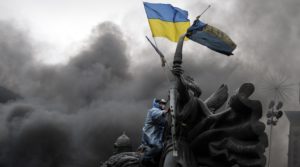 The war in Europe, specifically the attack on Ukraine, has eclipsed international security priorities including “the worldwide fight against terrorism”. Another important point is that it has shed new light on the reality of diplomatic relations between African states and their Western partners. And that was only a few days after their agreement at the African Union – European Union Summit in Brussels!
 The war raging in Ukrainia since February 24 is tragic in terms of its ensuing human losses and the massive material destruction that have already been done. It is particularly central due to the issues opposing the many states involved. World economic and military powers clashing in a Europe that, since 1940, has not known an armed conflict of this dimension! The last one, horrendous, that of the former Yugoslavia (today recomposed of several sovereign states), did not include either the same strategic stakes or the same global scope as the one currently taking place. It is certainly far from over yet and the assessment of its various human and economic costs, as well as its diplomatic and military impacts, will still take time.
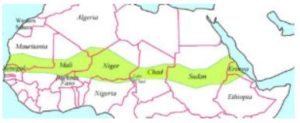 The announced visit on 20 December of president Macron to Bamako to meet Colonel Assimi Goita, Mali president, was an enormous surprise. Whatever the official reasons for its cancellation, it will no doubt mark a new cycle in the bilateral relations between Paris and the West Africa capitals. Issues that irritate Paris including the Wagner’s troupes are many and worse obsessive. There is no doubt that from the muddle surrounding Macron aborted visit, colonel Goita gets out as the winner. Undeniably, for the moment, he is reconfirmed even though the Sahel crisis, to the great frustration of its civilian population, is however far from being resolved.
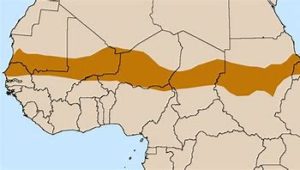
 Over the last ten years, the Sahel crisis has steadily taken root in and spread beyond the region. Having become structural, it is far from having reached its peak, especially in Mali, its epicenter. Its human, material and political damage are aggravated by the continuous disintegration of societies, economies and administrations while social networks, « conspirators » or not, make it a boon for young people dreaming of great adventures.