
Sahel and the Accra initiative: conditions for success.
 The Accra initiative was born out of seven West African countries desire to pool together their resources to deal with emerging threats: Benin, Burkina Faso, Ivory Coast, Ghana, Mali, Niger and Togo. Nigeria associated itself with it at the concerned Heads of State and Governments summit held in the Ghanaian capital on 22 November 2022. Member countries wanted to move quickly into action. To be effective, they need to fulfill a number of conditions: forging a common strategic vision; mobilizing, as soon as possible, the means of their ambitions; opening up to other countries in the sub-region; and establishing partnerships all over.
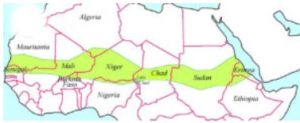
 Mauritania has not been attacked by terrorists since 2011, and is hosting up to 115,136 Malian refugees and asylum seekers on its territory at the end of this past October. Chad is subject to sporadic attacks, such as the one that occurred on November 22, on the Bouka-Toulloroum Island, Lake Chad province, and attributed to the Boko Haram. However, Chad retains a certain control of its territory. So far, Niger has managed to prevent terrorists from occupying one ounce of its territory, partially with support from French air forces. Burkina Faso is losing its stability following regular attacks by terrorists and criminals who control over 40% of its territory. For its part, Mali continues to go down under the terrible pounding of the jihadists who occupy or threaten 80% of its soil. Alert!
 Obvious, that very complex question is now more frequently raised than ever before. It calls for an answer. Ten years of wars – with international forces support – deaths, injuries, displacements and budgets in billions of dollars, have not reduced terrorists presence or expansion. Isn’t it then time to change – analysis, strategy and combat – to openly ask, experts and especially the victims, that is to say the populations?